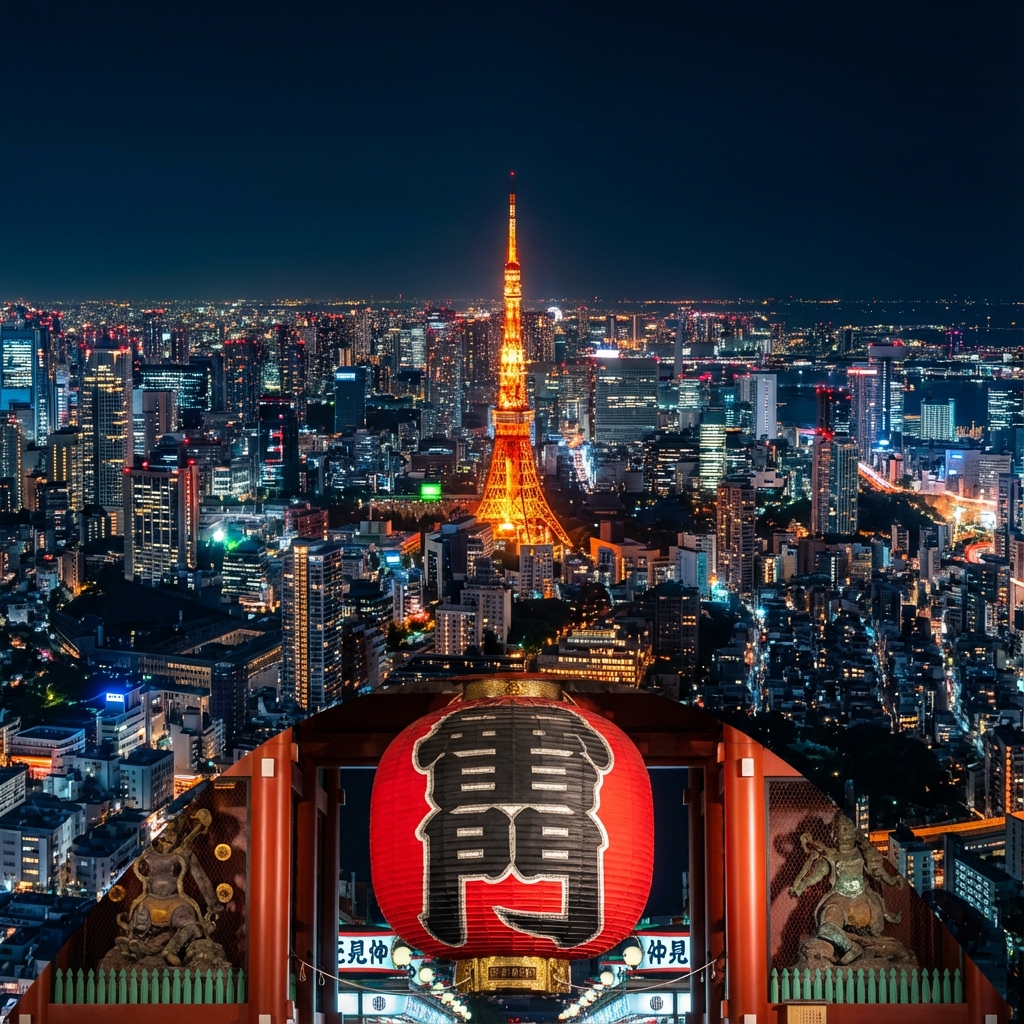

🏙️ Neighborhood Exploration: From Skyscrapers to Shrines
Tokyo's 23 special wards each offer a unique slice of this vast metropolis. In 2026, new developments continue to transform the urban landscape while preserving historical character:
- Shibuya & Harajuku: The beating heart of youth culture with Shibuya Crossing (the world's busiest pedestrian scramble) and Takeshita Street's quirky fashion boutiques. The new Shibuya Scramble Square development offers panoramic city views and cutting-edge retail experiences. Don't miss the Hachiko statue and the scramble crossing light show after dark.
- Asakusa & Traditional Tokyo: Step back in time at Senso-ji Temple, Tokyo's oldest temple, with its iconic Kaminarimon (Thunder Gate). The surrounding Nakamise shopping street offers traditional souvenirs and street food. The new Edo-Tokyo Museum expansion provides immersive historical experiences through virtual reality exhibits.
- Shinjuku & Modern Tokyo: Towering skyscrapers, neon-lit entertainment districts, and the tranquil Shinjuku Gyoen National Garden. The Tokyo Metropolitan Government Building offers free observation decks with stunning views. Kabukicho remains Tokyo's vibrant nightlife hub, now with enhanced safety measures and more international-friendly venues.
- Ginza & Luxury Shopping: Tokyo's upscale shopping district with flagship stores from luxury brands worldwide. The new Ginza Six development combines high-end fashion with contemporary art installations. Mitsukoshi department store offers a perfect blend of traditional service and modern luxury.
- Roppongi & Arts District: Home to the Mori Art Museum and Roppongi Hills development. The new National Art Center expansion features rotating exhibitions of international contemporary art. The area has become a hub for digital art installations and innovative cultural experiences.
🏯 Cultural Experiences: Ancient Traditions in a Modern City
Tokyo seamlessly blends 1,500 years of tradition with tomorrow's innovations:
- Temple & Shrine Visits: Start with Meiji Shrine's serene forest setting, then explore the Senso-ji Temple complex. The new digital guides at major temples provide audio explanations in multiple languages and AR-enhanced experiences that bring history to life.
- Tea Ceremony & Gardens: Experience traditional Japanese tea ceremony at Camellia Tea Ceremony or visit the Rikugien gardens. Many traditional experiences now incorporate modern technology, like VR headsets that transport you to historical periods.
- Traditional Arts: Catch kabuki at the Kabuki-za Theatre or bunraku puppet theater. The new Tokyo Arts Center expansion offers contemporary takes on traditional Japanese performing arts, blending ancient forms with modern technology.
- Seasonal Festivals: Sakura (cherry blossom) viewing in spring, fireworks at Sumida River in summer, autumn foliage at Yoyogi Park, and winter illuminations throughout the city. The new digital festival apps help you find the best viewing spots and times.
🚅 Transportation Mastery: The World's Best Public Transit
Tokyo's transportation system is a masterpiece of efficiency that newcomers find intimidating but locals navigate with ease:
- JR Trains & Subway: The JR Pass for tourists and IC cards (Suica/Pasmo) for locals. The new Tokyo Metro app provides real-time updates, platform directions, and accessibility information. The Yamanote Line loop connects all major stations efficiently.
- Shinkansen (Bullet Train): Experience Japan's high-speed rail from Tokyo Station. The new N700S Series offers improved comfort and digital entertainment options for long-distance travel.
- Local Tips: Always stand on the left side of escalators. Trains are punctual to the second. Use translation apps for station announcements. The new multilingual support at major stations includes AR navigation.
- Airport Access: Narita Express (NEX) from Narita Airport and Keikyu Line from Haneda. Both now offer premium business class carriages with workspaces and enhanced Wi-Fi.
🍜 Culinary Innovation: From Street Food to Michelin Stars
Tokyo's food scene is a laboratory of culinary creativity where tradition meets innovation:
- Street Food & Izakaya: Try yakitori (grilled skewers) at local spots, ramen at Ichiran, or conveyor belt sushi at Sushiro. The new food hall developments in Tokyo Station and Shibuya offer curated street food experiences with English menus.
- Traditional Dining: Experience kaiseki (multi-course traditional cuisine) at ryokan-style restaurants. The new digital menus with photos and English explanations make traditional dining more accessible to international visitors.
- Michelin-Starred Innovation: Restaurants like Sukiyabashi Jiro serve sushi perfection, while Narisawa blends Japanese ingredients with French techniques. The new "Tech Dining" experiences incorporate AR menus and personalized recommendations based on your preferences.
- Department Store Food Halls: Mitsukoshi and Takashimaya offer incredible food halls (depachika) with gourmet takeout. The new refrigerated delivery services mean you can enjoy these delicacies in your hotel room.
- Regional Specialties: Try fresh seafood at Tsukiji Outer Market, monjayaki in Tokyo-style teppanyaki restaurants, or the growing plant-based cuisine scene that reimagines traditional dishes.
🛍️ Shopping Experiences: From Electronics to Tradition
Tokyo offers shopping experiences that range from futuristic electronics stores to centuries-old craft shops:
- Electronics & Gadgets: Akihabara's multi-story electronics stores and arcades. The new concept stores combine traditional Japanese crafts with cutting-edge technology, like smart chopsticks that teach proper usage.
- Fashion & Streetwear: Harajuku's quirky boutiques, Shibuya's mainstream fashion, and the high-end designer stores of Omotesando. The new sustainable fashion districts promote eco-friendly Japanese brands.
- Traditional Crafts: Visit Nihonbashi for traditional crafts - silk kimono fabrics, lacquerware, and ceramics. The new digital craft workshops allow you to try traditional techniques with modern tools.
- Department Stores: Mitsukoshi, Takashimaya, and Isetan offer everything from luxury goods to gourmet food. The new omnichannel experiences let you browse in-store and pickup/deliver later.
🎌 Seasonal & Special Events in 2026
Tokyo's calendar is filled with festivals, exhibitions, and cultural events:
- Cherry Blossom Season (March-April): Peak viewing at Shinjuku Gyoen and Ueno Park. The new blossom forecast apps and designated viewing areas make planning easier.
- Tokyo International Film Festival (October-November): Showcases international cinema with premieres and red carpet events.
- Autumn Foliage (November-December): Rikugien Gardens and Yoyogi Park offer spectacular fall colors. The new nighttime illuminations extend viewing hours.
- Technology & Innovation Events: Tokyo regularly hosts tech expos and innovation showcases. The new "Future Tokyo" initiative brings cutting-edge experiences to public spaces.
🏨 Accommodation Options: From Capsule Hotels to Luxury Ryokan
- Budget Options: Capsule hotels in areas like Shinjuku, hostels with traditional Japanese rooms, and business hotels with compact but efficient amenities.
- Mid-Range: Modern hotels in central locations, many with onsen (hot springs) facilities. The new "Digital Hotels" offer app-controlled rooms and AI concierges.
- Luxury & Traditional: Imperial Hotel's blend of tradition and modernity, or ryokan experiences in quieter neighborhoods. The new "Smart Ryokan" combine traditional aesthetics with modern conveniences.
- Unique Stays: Treehouse hotels, robot-staffed hotels, and temple stays. The growing number of sustainable accommodations focus on minimal environmental impact.
🎒 Practical Tips for 2026
- Language & Communication: English is spoken in tourist areas and major hotels. Download translation apps like Google Translate. The new multilingual AR navigation helps with street signs and menus.
- Cash vs. Cards: Cash is still preferred in smaller establishments, though cards are widely accepted. IC cards (Suica/Pasmo) work for most transit and convenience stores.
- Etiquette: Bow when greeting, remove shoes indoors, avoid eating while walking. The new cultural etiquette apps provide real-time guidance.
- Weather Preparation: Summers are hot and humid, winters mild but damp. Pack layers and a portable umbrella. Many places now offer clothing rental services.
- Digital Services: Japan is extremely digital-forward. Use apps for reservations, navigation, and translations. The new tourist visa extensions allow longer stays for digital nomads.
- Time Zones & Jet Lag: Tokyo is 14 hours ahead of New York. Many hotels offer jet lag recovery programs with light therapy and traditional Japanese breakfasts.
🗾 Day Trip Possibilities from Tokyo
- Nikko (2 hours by train): Stunning temples, shrines, and natural beauty. Toshogu Shrine is a UNESCO site with ornate carvings.
- Kamakura (1 hour by train): Great Buddha statue and numerous temples. The coastal location offers beautiful walks.
- Yokohama (30 minutes by train): Modern port city with China's largest Chinatown outside Asia and the futuristic Minato Mirai district.
- Nikko & Kawagoe (combined day trip): Mix of natural beauty and historical Edo-period architecture ("Little Edo").
❓ FAQ: Visiting Tokyo
How many days do I need in Tokyo?
A minimum of 4-5 days to experience the main areas and culture. 7-10 days allows for day trips and deeper exploration. Tokyo rewards extended stays.
Is Tokyo expensive?
Accommodation and some activities can be pricey, but food and public transport are reasonable. Budget travelers can find affordable options, while luxury experiences are world-class.
Do I need to speak Japanese?
No, but learning basic phrases is appreciated. English is widely spoken in tourist areas, and translation technology is ubiquitous.
Is Tokyo safe?
Extremely safe with very low crime rates. Pickpocketing can occur in crowded areas, but overall safety is excellent.
What's the best time to visit Tokyo?
Spring (March-May) for cherry blossoms, fall (September-November) for pleasant weather and fewer crowds. Summer is hot but vibrant with festivals.
How do I get around Tokyo?
The public transport system is excellent. Get a Suica or Pasmo card for easy travel. Taxis and rideshares are also convenient.


