
🍷 The Douro & The Wine Caves
No visit to Porto is complete without experiencing its relationship with the river and the wine. Port wine, the city's most famous export, has been produced here for over 300 years, and the tradition is alive and well.
- Vila Nova de Gaia: Located just across the river, this is where the historic Port wine cellars (caves) are found. The wine is actually produced in the Douro Valley but aged in these riverside cellars. Take a tour and tasting at famous houses like Graham's, Taylor's, Sandeman, or Ferreira. Each offers different experiences—some focus on history, others on the wine-making process. Expect to pay €10-20 for a tour with tastings.
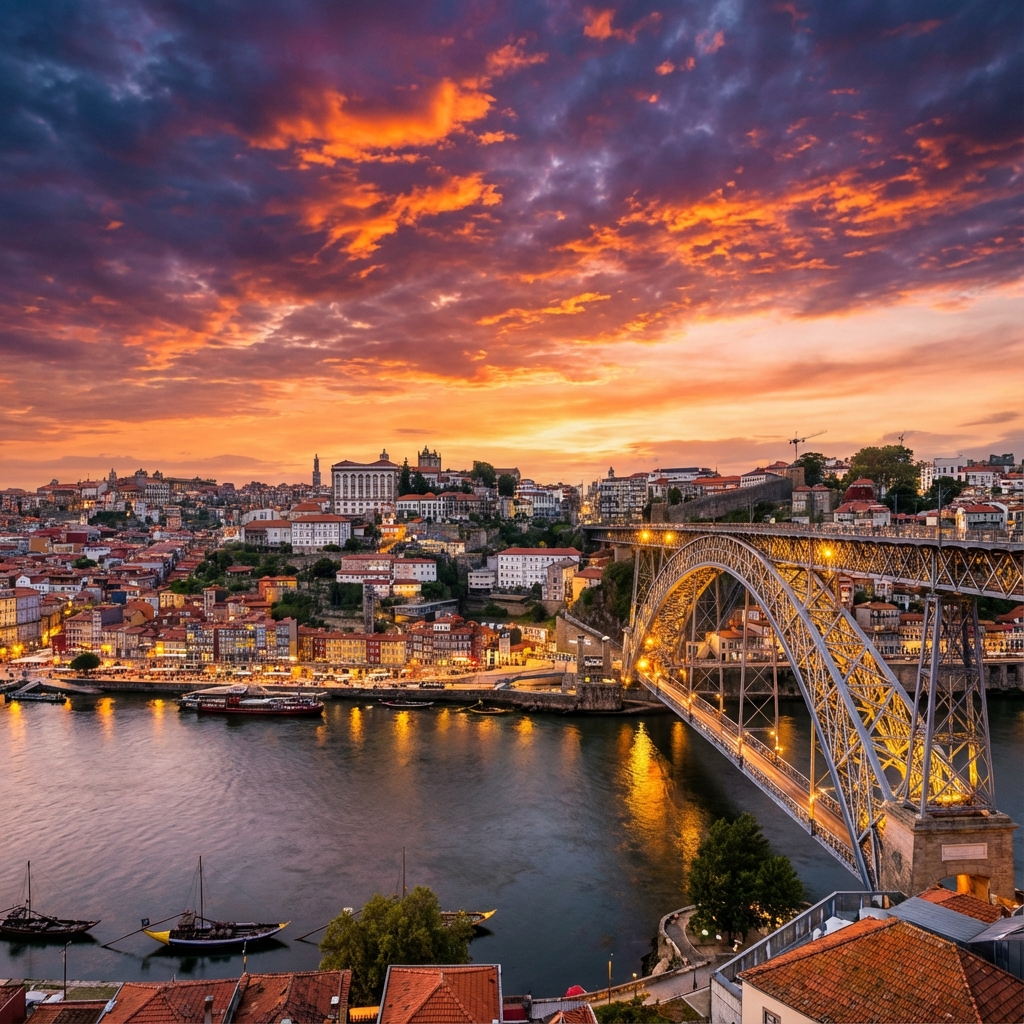
- Dom Luís I Bridge: Walk across the upper deck of this iconic double-deck iron bridge (designed by a student of Gustave Eiffel) for the most spectacular views of Porto and Gaia. The upper level is for the metro and pedestrians; the lower level is for cars and pedestrians. It's a 60-meter climb, but the panorama is worth every step.
- Ribeira District: The riverside heart of Porto, a UNESCO World Heritage site known for its colorful facades, narrow medieval streets, and bustling atmosphere. It's touristy but essential. The waterfront is lined with restaurants (often overpriced—venture one street back for better value). The area comes alive at sunset when the buildings glow golden.
- Douro Valley Day Trip: If you have time, take a day trip to the Douro Valley, where the grapes are grown on terraced hillsides. You can go by train (one of the world's most scenic rail journeys), car, or organized tour. Visit quintas (wine estates) for tastings and enjoy the stunning landscape.
🏛️ Architecture & Tiles: Porto's Visual Soul
Porto's beauty lies in its intricate details and grand structures. The city is a living museum of azulejo tiles, baroque churches, and Art Nouveau buildings.
- São Bento Railway Station: Famous for its main hall covered in over 20,000 blue and white 'azulejo' tiles depicting Portuguese history, from the Battle of Valdevez to the arrival of King João I in Porto. Created by artist Jorge Colaço in 1930, the panels are breathtaking. It's a working station, so entry is free—just walk in and admire.
- Clérigos Tower: Climb the 225 steps of this baroque tower (Torre dos Clérigos) for a 360-degree view of the city. At 76 meters, it was the tallest building in Portugal when completed in 1763. The climb is narrow and steep, but the reward is Porto spread out beneath you in terracotta and granite.
- Livraria Lello: Often cited as one of the most beautiful bookstores in the world, its neo-gothic interiors, red staircase, and stained-glass ceiling are said to have inspired J.K. Rowling (who lived in Porto in the early 1990s). Entry now costs €5, which is deducted from any book purchase. Go early or late to avoid the Instagram crowds.
- Palácio da Bolsa: The former stock exchange building is a neoclassical masterpiece. The highlight is the Arab Room (Salão Árabe), a Moorish Revival hall covered in gold leaf that took 18 years to complete. Guided tours only, but worth it for the opulence.
🌊 Foz do Douro: Where the River Meets the Sea
For a change of pace, take the historic tram #1 (or #18) to the coastal district of Foz. It's a 30-minute ride from the city center and offers a completely different vibe—relaxed, beachy, and residential.
- Perpétuas: Walk along the Atlantic promenade, see the Felgueiras Lighthouse perched on the rocks, and enjoy the refreshing sea breeze. The contrast between the wild Atlantic and the calm Douro River meeting here is dramatic.
- Beachside Dining: Foz is home to some of the best high-end restaurants (like Pedro Lemos, a Michelin-starred gem) and relaxed beach bars. Try fresh seafood while watching the sunset over the ocean.
- Parque da Cidade: Porto's largest park, stretching from the city to the sea. Perfect for jogging, picnics, or just escaping the urban bustle. It's beautifully landscaped and connects to the beach.
💎 Hidden Gems & Local Secrets
While the Ribeira is beautiful, the real magic of Porto is often found in its quieter corners:
- Jardins do Palácio de Cristal: These romantic gardens offer some of the best views of the Douro River, often without the crowds found at the bridge. Peacocks roam freely among the landscaped paths, fountains, and exotic trees.
- Miradouro da Vitória: A somewhat derelict but utterly charming viewpoint located in the old Jewish quarter. It provides a raw, unfiltered panorama of the city's red rooftops and the cathedral.
- Igreja de São Francisco: The exterior is Gothic, but the interior is an explosion of Baroque gold leaf—reportedly over 400kg of it. It's so ornate that religious services were once suspended because it was considered too ostentatious for the poor to see.
- Rua das Flores: Once neglected, this street has been beautifully restored and is now lined with cool cafes, artisan shops, and street performers. Look out for the famous "Perspétuo" cat street art.
🍴 A Deeper Dive into Porto's Gastronomy
Porto's food scene is robust and unpretentious, much like its people. The city takes its culinary traditions seriously.
- Tripas à Moda do Porto: The dish that gave locals their nickname "Tripeiros" (Tripe Eaters). Legend has it that when Henry the Navigator needed supplies for his ships in the 15th century, the people of Porto gave all their good meat to the sailors and were left with only the tripe, which they turned into a delicious, hearty stew with white beans. It's an acquired taste, but locals love it.
- Bifana: The perfect snack. A simple bread roll filled with thin slices of pork that have been simmered in a spicy sauce of garlic, wine, and paprika. The best ones are messy and eaten standing at a counter. Try it at Conga or Casa Guedes.
- Pastel de Nata: While originally from Lisbon (Belém), Porto has mastered the custard tart. Try one at Manteigaria, where you can watch them being made through a glass wall. They're best eaten warm with a dusting of cinnamon.
- Vinho Verde: Don't just stick to Port wine. The local "Green Wine" (meaning young wine, not the color) is crisp, slightly sparkling, and perfect for a sunny afternoon by the river. It's light, refreshing, and pairs beautifully with seafood.
- Bacalhau: Salted cod is a Portuguese obsession. They say there are 365 ways to prepare it—one for each day of the year. Try Bacalhau à Brás (shredded cod with eggs and potatoes) or Bacalhau com Natas (cod with cream).
📅 Festivals & Events
If you can time your visit, these events showcase Porto at its liveliest:
- São João Festival (June 23rd): Porto's biggest party. The entire city spills onto the streets to hit each other with plastic hammers (yes, really), release sky lanterns, and watch fireworks over the river. It's a night of pure joy and chaos.
- Fantasporto: An international film festival held in February, focusing on fantasy, science fiction, and horror films.
🎒 Practical Tips for 2026
- The Hills: Porto is very steep. Wear comfortable shoes! The Ribeira to the upper town is a serious climb. If you need a break, the Funicular dos Guindais connects the Batalha district to the riverside—it's both a practical tool and a scenic ride (€2.50 one way, or use your Andante card).
- Francesinha: This is Porto's signature sandwich—layers of meat (steak, ham, sausage), covered in melted cheese and a hot tomato-beer sauce, often topped with a fried egg. It's heavy, indulgent, and not for the faint of heart. Share one if you're not starving! The best are at Café Santiago or Lado B.
- Bridges Cruise: The 'Six Bridges' boat tour is a relaxing way to see the city from the water and understand the engineering that connects the two banks of the Douro. Tours last about 50 minutes and cost around €15. You'll pass under all six bridges, including the iconic Dom Luís I.
- Andante Card: Porto's public transport card works on metro, buses, and some trains. You can buy it at metro stations and load it with trips. A single trip in the central zone costs around €1.30. Much cheaper than taxis.
- Best Time to Visit: May-June or September-October for pleasant weather and fewer crowds. Summer (July-August) can be hot and busy. Winter is mild but rainy.
❓ FAQ: Visiting Porto
Is Porto crowded?
Like many European gems, the main spots can get busy. Visiting in the
shoulder seasons (May-June or September-October) offers a more relaxed experience.
Should I visit Porto or Lisbon?
Both! But if you only have time for one, Porto is often
praised for its authentic feel, smaller size, and of course, its incredible wine culture.