
♨️ The Spa Capital: Thermal Baths
Budapest sits on a network of thermal springs, making spa culture an essential part of daily life. The city has more thermal springs than any other capital city in the world, with over 100 springs delivering 70 million liters of warm, mineral-rich water every day.
- Széchenyi Thermal Bath: The largest medicinal bath in Europe, located in City Park. Its yellow neo-baroque buildings and massive outdoor pools are iconic. Visiting in winter is particularly magical when the steam rises from the hot water against the snowy backdrop. Inside, you'll find a maze of saunas, steam rooms, and indoor pools of varying temperatures.
- Gellért Baths: Famous for its stunning Art Nouveau interior and mosaics. It's like swimming in a cathedral. The indoor pools are surrounded by stained glass windows and sculpted columns. It's located at the foot of Gellért Hill, making it a perfect stop after a hike.
- Rudas Baths: A traditional Ottoman-style hammam dating back to the 16th century. It features a dim, octagonal pool under a Turkish dome, offering an atmospheric and authentic experience. The rooftop hot tub offers a stunning panoramic view of the Danube and Pest skyline.
- Lukács Baths: A favorite among locals and writers. The walls are covered in marble plaques from grateful patients who claim to have been cured by the waters. It's less touristy and offers a more authentic social vibe.
🏰 Buda vs. Pest: Exploring Both Sides
The Danube River splits the city into two distinct personalities, connected by iconic bridges like the Chain Bridge.
Buda: The Historic Hills
Buda is the older, hillier, and more residential side. It radiates imperial history and calm elegance.
- Buda Castle District: A UNESCO World Heritage site. Walk the cobblestone streets to the Matthias Church, known for its colorful tiled roof and intricate interior.
- Fisherman's Bastion: A neo-Romanesque terrace that offers the most famous panoramic view of the Parliament building across the river. Its seven towers represent the seven Magyar tribes that founded Hungary.
- Gellért Hill: Climb to the top for the Citadel and the Liberty Statue. The walk offers some of the best sunset views in the city.
Pest: The Vibrant Heart
Pest is flat, urban, and buzzing with energy. This is where you'll find the nightlife, shopping, and major government buildings.
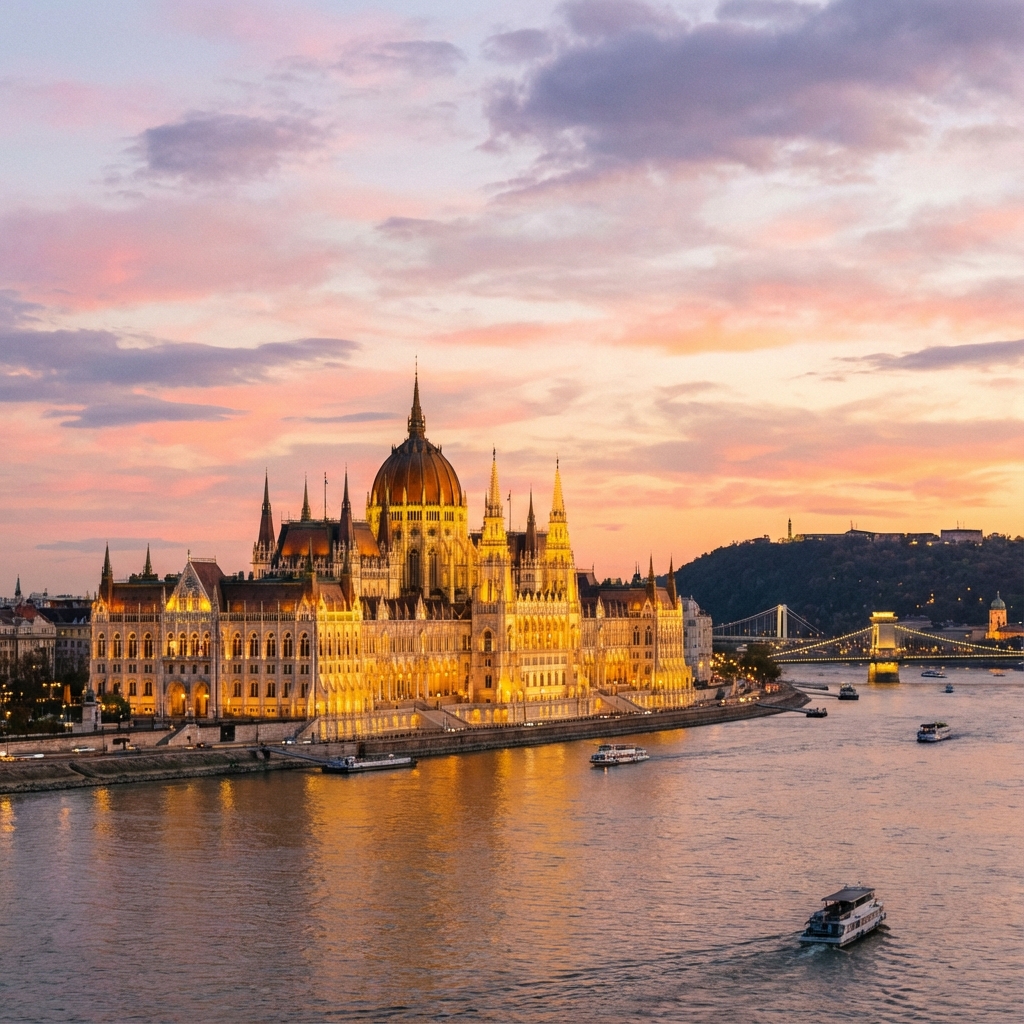
- The Parliament Building: One of the largest and most magnificent government buildings in the world. Its neo-Gothic architecture dominates the riverfront. Booking a tour in advance is highly recommended to see the Hungarian Crown Jewels.
- St. Stephen's Basilica: The largest church in Budapest. You can climb to the dome for a 360-degree view of the city. It houses the mummified right hand of St. Stephen, Hungary's first king.
- Andrássy Avenue: Often compared to the Champs-Élysées, this UNESCO-listed avenue leads from the city center to Heroes' Square, lined with designer boutiques, grand townhouses, and the Opera House.
🍹 Ruin Bars & Nightlife
Budapest's nightlife is legendary, anchored by its unique "Ruin Bars" (Romkocsma). These bars opened in the early 2000s in the courtyards of abandoned buildings in the Jewish Quarter, furnished with eclectic vintage decor, street art, and mismatched furniture.
- Szimpla Kert: The original ruin bar and the most famous. It's a labyrinth of rooms filled with everything from old bathtubs to Trabant cars used as tables. It hosts a farmers' market on Sunday mornings.
- Instant-Fogas: A massive complex that combines two legendary bars. It has multiple dance floors, surreal decor, and is the place to go if you want to dance until dawn.
- Mazel Tov: A more upscale take on the ruin bar concept. It's a stylish, open-air garden restaurant serving Middle Eastern cuisine. Perfect for dinner before heading out.
🍽️ Hungarian Gastronomy
Hungarian food is hearty, spicy, and comforting. Paprika is the national spice, but the cuisine offers much more than just Goulash.
- Goulash (Gulyás): The most famous dish, which is actually a soup, not a stew, in Hungary. It's made with beef, vegetables, and plenty of paprika.
- Lángos: The ultimate street food. A deep-fried flatbread topped with garlic water, sour cream, and grated cheese. Best enjoyed at the Great Market Hall.
- Chicken Paprikash (Csirkepaprikás): Chicken simmered in a creamy paprika sauce, usually served with "nokedli" (dumplings).
- Chimney Cake (Kürtőskalács): A sweet pastry made from dough wrapped around a cylinder, grilled over charcoal, and rolled in sugar, cinnamon, or walnuts. You'll find stalls selling these all over the city.
- Dobos Torte: A famous Hungarian sponge cake layered with chocolate buttercream and topped with caramel. Try it at the historic Café Gerbeaud.
🏙️ The Jewish Quarter (District VII)
This historic neighborhood is the heart of Budapest's modern culture. Beyond the ruin bars, it has a deep and poignant history.
- Dohány Street Synagogue: The largest synagogue in Europe and the second largest in the world. Its Moorish Revival architecture is stunning. The complex includes the Jewish Museum and the Holocaust Memorial Park.
- Street Art: The district is covered in impressive murals. Look for the famous "Rubik's Cube" mural, celebrating the Hungarian inventor Ernő Rubik.
🎒 Practical Tips for 2026
- Currency: Hungary uses the Forint (HUF), not the Euro. While many places accept Euros (often at a poor rate), it's best to pay in Forints or use a card. Contactless payment is widely available.
- Transport: The public transport system is excellent. The Metro Line 1 (M1) is the oldest in continental Europe and is a UNESCO site itself. The tram #2 along the Danube offers one of the best scenic rides in the world.
- Budapest Card: If you plan to visit many museums and use public transport frequently, the official city card can be a great value saver, offering free transport and entry to thermal baths.
- Tipping: Tipping is customary in Hungary. Around 10-15% is standard in restaurants. Check your bill as some places add a service charge automatically.
- Water: Tap water in Budapest is safe to drink and high quality. Bring a refillable bottle.
❓ FAQ: Visiting Budapest
Is Budapest a cheap city?
Budapest is generally more affordable than Western European capitals like Paris or London, especially for dining and public transport. However, prices in the main tourist areas have risen in recent years. You can still find great value, especially for lunch menus and beer.
Should I stay on the Buda or Pest side?
Pest is the heart of the action, close to bars, restaurants, museums, and shops. It's flatter and easier to navigate. Buda is quieter, more residential, greener, and romantic. Most first-time visitors prefer Pest (District V, VI, or VII) for its convenience.
Are the thermal baths open all year?
Yes, major baths like Széchenyi and Gellért are open year-round. Swimming outdoors in the warm thermal water while it snows is a magical winter experience unique to Budapest.
Is English widely spoken?
Yes, in the tourist areas, younger people and service staff speak excellent English. In more rural areas or with older generations, German or Russian might be more common, but you'll get by fine with English in the city.
What is the best way to get from the airport?
The 100E bus is a direct shuttle from Budapest Airport to Deák Ferenc Square in the city center. It's fast, affordable, and frequent. Taxis are also available but use the official Bolt or Főtaxi stands to avoid overcharging.