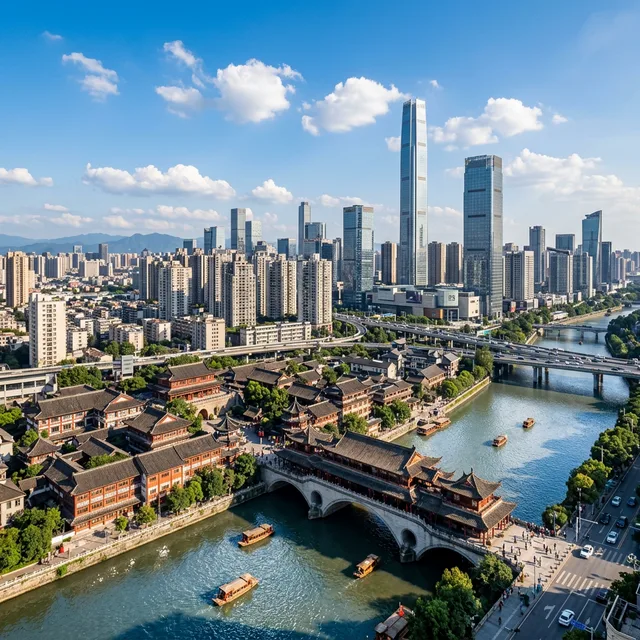
🏛️ Vieux Lyon & UNESCO Heritage
Lyon’s historic center is a UNESCO World Heritage site showcasing the city’s medieval and Renaissance architectural splendor.
- Vieux Lyon (Old Lyon): A UNESCO World Heritage district of Renaissance architecture with cobblestone streets, hidden passageways called traboules, and merchant houses from Lyon’s golden age. The traboules were secret passages used by silk merchants to transport goods. The area represents Lyon’s medieval heritage and architectural evolution.
- Basilique Notre-Dame de Fourvière: Lyon’s iconic white marble basilica crowning Fourvière hill, visible from across the city. Built in the late 19th century, it combines Romanesque and Byzantine styles. The basilica offers panoramic views of Lyon and houses a museum of religious art. The funicular provides easy access to the site.
- Théâtre Romain de Fourvière: Ancient Roman theater dating from 15 AD, one of Europe’s best-preserved Roman structures. The theater hosts concerts and performances during the summer Nuits de Fourvière festival. The archaeological site includes a temple to Augustus and offers insights into Lyon’s Roman past.
- Place Bellecour: Lyon’s largest square and social heart, featuring fountains, statues, and the famous equestrian statue of Louis XIV. The square has been the city’s gathering place for centuries. Surrounding cafes and restaurants make it perfect for people-watching.
🍽️ Gastronomic Capital & Cuisine
Lyon is France’s culinary capital, home to legendary chefs and traditional bouchons.
- Bouchons Lyonnais: Traditional Lyonnais bistros serving hearty regional cuisine in cozy, unpretentious settings. These historic establishments, some dating back centuries, offer dishes like quenelles de brochet (pike dumplings) and coq au vin. Bouchons represent authentic Lyonnais dining culture.
- Paul Bocuse & Michelin Legacy: Lyon is the birthplace of modern French gastronomy, home to legendary chef Paul Bocuse and more Michelin stars per capita than anywhere else. Visit L’Institut Paul Bocuse for culinary education or Bocuse d’Or events. The city hosts international culinary competitions.
- Les Halles de Lyon Paul Bocuse: One of Europe’s finest food markets, featuring gourmet stalls, fresh produce, and artisanal products. The market represents Lyon’s culinary excellence and is perfect for tasting regional specialties. Nearby cafes allow sampling local wines and cheeses.
- Silk Industry Heritage: Lyon dominated European silk production from the 15th through 19th centuries, employing over 30,000 canuts (silk weavers) at its peak. The Musée des Tissus et des Arts Décoratifs on Rue de la Charité displays magnificent silk tapestries and brocades, some woven for Versailles. The traboules (hidden passageways) in Vieux Lyon were originally built so silk merchants could transport goods under cover from weather and theft.
- Rhône & Saône Rivers: Lyon is defined by the two rivers that frame it — the fast-flowing Rhône to the east and the gentler Saône to the west, with the Presqu’île peninsula between them forming the city centre. The quays along both rivers have been transformed into pedestrian promenades popular for evening strolls. Several companies offer river cruises, including dinner cruises through the city’s illuminated bridges. The confluence where both rivers meet at the southern tip is where the striking Musée des Confluences stands.
🎨 Modern Lyon & Architecture
Lyon seamlessly blends historic charm with contemporary design and innovation.
- Confluence District: Lyon’s futuristic neighborhood featuring the Musée des Confluences and innovative architecture. Designed by renowned architects, the area represents modern urban planning. The museum explores human origins and cultural diversity with interactive exhibits.
- Musée des Confluences: A stunning modern museum at the confluence of Rhône and Saône rivers, resembling a floating crystal. The museum’s architecture symbolizes the meeting of waters and cultures. Exhibits explore science, anthropology, and contemporary issues.
- Part-Dieu District: Lyon’s modern business quarter with the Tour Part-Dieu skyscraper and contemporary architecture. The area represents Lyon’s economic dynamism and modern development. Shopping centers and offices reflect the city’s contemporary face.
- Institut Lumière: Museum dedicated to cinema pioneers Auguste and Louis Lumière, inventors of cinematography. The museum celebrates Lyon’s role in film history. The brothers’ former home showcases early film equipment and techniques.
🏰 Renaissance Palaces & Museums
Lyon’s museums and historic buildings showcase the city’s artistic and cultural heritage.
- Musée des Beaux-Arts de Lyon: One of France’s finest art museums, housed in a Renaissance palace, featuring works from antiquity to contemporary art. The museum’s collection includes masterpieces by Rubens, Rembrandt, and Impressionists. The beautiful courtyard and gardens enhance the experience.
- Hôtel de Ville (City Hall): Lyon’s magnificent city hall with ornate facades and grand interiors. The building represents civic pride and architectural splendor. Guided tours showcase the building’s history and decorative arts.
- Centre d’Histoire de la Résistance et de la Déportation: Museum documenting Lyon’s role in the French Resistance during World War II. The site honors local heroes and educates about wartime history. The museum is located in a historic villa with beautiful gardens.
- Jardin des Curiosités: A small garden on the Croix-Rousse hillside that offers one of Lyon’s best panoramic views across the Saône to Vieux Lyon and the Fourvière Basilica. The garden has optical illusion installations and artistic interventions scattered among the greenery, making it both a viewpoint and an art experience. Less crowded than the major tourist sites and free to enter.
🌉 Bridges & River Views
Lyon’s bridges and waterfront areas offer scenic beauty and recreational opportunities.
- Pont Bonaparte & Pont Lafayette: These 19th-century stone bridges cross the Saône between Vieux Lyon and the Presqu’île, offering beautiful framed views of the limestone riverbanks and Renaissance buildings. The Pont Bonaparte (built 1826) is particularly picturesque, linking the Basilica of Saint-Nizier on one side with the Saint-Jean Cathedral on the other. Walk them at dusk when the stonework glows warm.
- Parc de la Tête d’Or: Lyon’s 105-hectare municipal park, opened in 1857 and named after a legend of buried gold, is one of France’s largest urban parks. It contains a free zoo (one of the oldest in France), botanical gardens with greenhouses, a rose garden with over 16,000 plants, and a lake with rowboat rentals. It’s genuinely beloved by Lyonnais families and far less touristy than the central historic sites.
- Quais along the Saône: The pedestrianised quays on both banks of the Saône below Vieux Lyon have been transformed over the past decade from traffic-choked roads into Lyon’s outdoor living room. The quai Fulchiron and quai Romain-Rolland have weekend antique markets, bookstalls, and food stalls. In summer, temporary beach installations and outdoor cinema events take over sections of the riverside.
- Monts du Lyonnais: The range of hills immediately west and southwest of Lyon rises to around 1,000 metres and is covered with farms, orchards, and small wine villages producing Beaujolais and Côtes du Rhône wines. A 30-minute drive from the city centre reaches dramatically different, quiet countryside. The Mont Pilat regional park to the south offers excellent day hiking with views over both Lyon and the Rhône Valley.
🚇 Practical Lyon Guide
- Best Time to Visit: May-June or September-October for mild weather and cultural events. Summer can be warm, winter cool but charming with Christmas markets. Lyon is pleasant year-round compared to Paris.
- Getting Around: Excellent metro, tram, and bus system with the Lyon City Card. The city is very walkable in the center but hilly. Velo’v bike-sharing is perfect for exploring. Taxis and ride-sharing are readily available.
- Culinary Planning: Make reservations for bouchons and Michelin restaurants. Food tours are excellent for experiencing Lyon’s culinary scene. The city offers everything from street food to fine dining.
- Safety & Etiquette: Very safe and welcoming city. Lyonnais are proud of their culinary heritage. Basic French phrases are appreciated. The city maintains high standards of cleanliness and service.
- Cost Considerations: More affordable than Paris but expensive for regional French cities. Budget €100-200 per day. Many museums are free or discounted. Street markets offer inexpensive local dining.
- Cultural Notes: Lyon represents Northern French sophistication with Southern warmth. The city values its culinary and industrial heritage. Lyon’s blend of tradition and innovation creates a unique cultural identity.
- Language: French is primary, but English widely spoken in tourist areas. Many restaurant staff speak English. Menus often include English translations.
- Time Zone: Central European Time (CET), UTC+1. Daylight Savings Time observed.